“coffee growing conditions” search results (4000)

Roasting method of Super Hawaiian Kona Coffee beans
But the climatic conditions are very suitable for the coffee growing industry. There is plenty of rain and sunshine here, and there is no worry of frost. In addition, there is a strange natural phenomenon called free shade (freeshade). On most days, at about two o'clock in the afternoon, white clouds appear in the sky, providing the necessary shade for the coffee trees. As a matter of fact, it is so excellent.
2016-06-05 Super Hawaii Kona coffee beans baking way but climate conditions coffee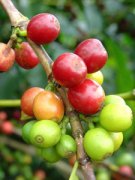
Boutique Coffee Manor in Nicaragua growing area
The planting conditions in Nicaragua are not inferior to those in Central American countries. Shaded coffee is grown at high altitudes. It tastes round and balanced with less sharp acid. The main unknown factor is war and hurricanes, which make a single farm unsustainable. There is no historical data for raw bean merchants to track and check farm data until after 2003, the bad factors of coffee quality are removed and backward intercourse.
2016-05-17 Boutique coffee Nicaragua cultivation region providence manor
Ethiopia Coffee Bean Flavor Manor introduces Ethiopian boutique coffee beans
Ethiopian coffee beans grow in close to the natural environment, after years of planting under the same growth conditions, Ethiopian coffee beans have gradually adapted to the environment here. More than 60% of coffee beans are grown in forests or semi-forests. Large-scale coffee-growing villages account for about 35% of the country's total coffee production. Many of these are used.
2016-07-21 Ethiopia coffee beans flavor taste manor introduction boutique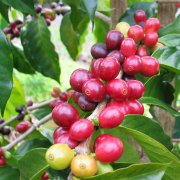
Coffee Grading in Kenya
The growing environment of fine coffee beans also has higher requirements. It generally grows at an altitude of 1500 meters or even 2000 meters above sea level, with suitable precipitation, sunshine, temperature and soil conditions. Some world-famous coffee beans also have special geographical conditions, such as the mountain clouds in the Blue Mountains, the free shade provided by afternoon clouds in Kona, and the volcanic ash soil in Antigua.
2016-05-23 Kenya Coffee Grade Classification Fine Coffee Bean Growing Environment Also More
Comparison of basic Information of Coffee varieties
Suitable cultivation conditions: Arabica variety (Arabica) is suitable for plateau cultivation, Robesta variety (Robusta) is suitable for lowland cultivation, and Liberian variety (Liberica) is suitable for minimum cultivation. Production: the Arabica variety (Arabica) accounts for about 70-80% of the world's total output; the Robesta variety (Robusta) accounts for about 20-30% of the world's total output of Liberian varieties (Liberica)
2015-02-11 Coffee variety basic information contrast boutique fit cultivation condition rabbi product
Comparison of basic data of Coffee varieties
Suitable cultivation conditions: Arabica variety (Arabica) is suitable for plateau cultivation, Robesta variety (Robusta) is suitable for lowland cultivation, and Liberian variety (Liberica) is suitable for minimum cultivation. Production: the Arabica variety (Arabica) accounts for about 70-80% of the world's total output; the Robesta variety (Robusta) accounts for about 20-30% of the world's total output of Liberian varieties (Liberica)
2015-04-24 Coffee common sense variety basic information comparison suitability cultivation conditions rabbi product
High quality Coffee production and sales of Coffee from Ethiopia Coffee
Ethiopian coffee beans grow in close to the natural environment, after years of planting under the same growth conditions, Ethiopian coffee beans have gradually adapted to the environment here. More than 60% of coffee beans are grown in forests or semi-forests. Large-scale coffee-growing villages account for about 35% of the country's total coffee production. Many of these are used.
2016-07-06 High quality coffee Ethiopia producing country production situation sales volume introduction boutique
Hawaiian Coffee Flavor description Grinding degree treatment method introduction to baking degree
Hawaii's coffee industry has to compete with the expanding tourism industry. Most coffee is grown on the slopes of MaunaLoa. Mauna Loa was originally a volcano located in the western part of the Kona region on the island of Hawaii. The coffee producing area is about 30 kilometers long and its growing areas are mainly concentrated in the north and south of the area. Coffee trees are planted in relatively desolate areas, but they
2016-09-28 Hawaii coffee flavor description grinding processing way method baking degree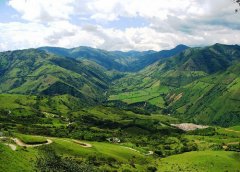
The most beautiful coffee beans in the world Kona coffee beans made in Hawaii
Boutique coffee (specialty coffee) is also called specialty coffee selection coffee. It refers to coffee made from a small number of raw beans with excellent taste grown in an ideal geographical environment. Depending on the special soil and climatic conditions in which they grow, they have outstanding flavor. After strict selection and classification, this kind of coffee is hard in texture, rich in taste and stylish.
2016-06-01 In the world beautiful coffee beans Hawaii Kona
A brief introduction to Coffee Culture in Ethiopia
Sustainable coffee culture Ethiopian coffee beans grow in close to the natural environment, after years of planting under the same growth conditions, Ethiopian coffee beans have gradually adapted to the environment here. More than 60% of coffee beans are grown in forests or semi-forests. The villages that grow coffee in large areas account for about the total amount of coffee produced in the country.
2016-06-04 Ethiopia Coffee Culture introduction Sustainable Development
Hawaiian coffee with moist taste Taste Variety Features Fine coffee Introduction
Kona coffee beans are evenly shaped, with intense acidity and sweetness, and a smooth, moist taste. Because of its volcanic habitat and intensive cultivation, each bean is a pampered lady, beautiful, plump, and baby-like. Although Hawaii is often affected by tornadoes, climatic conditions are critical to coffee growing.
2016-09-21 Taste Wet Hawaiian Coffee Flavor Variety Region Characteristics Fine Introduction
Ethiopian Coffee Manor Ted Manor Ethiopian Coffee producing area
Ethiopian coffee beans grow in close to the natural environment, after years of planting under the same growth conditions, Ethiopian coffee beans have gradually adapted to the environment here. More than 60% of coffee beans are grown in forests or semi-forests. Large-scale coffee-growing villages account for about 35% of the country's total coffee production. Many of these are used.
2016-07-27 Ethiopia Coffee Manor Ted producing area Coffee beans growing in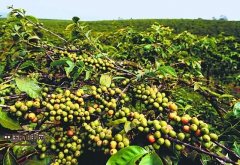
Common sense of Coffee planting requirements and conditions of Coffee trees
The origin of the coffee tree is Ethiopia in Africa. In botany, coffee trees belong to the evergreen trees of the subgenus Rubiaceae, and coffee beans, commonly known as coffee beans, are actually the seeds of the fruit of coffee trees. They are called coffee beans only because they are shaped like beans. Climate is the decisive factor for coffee cultivation. Coffee trees are only suitable for growing in the tropics or subtropics, so latitude 25 degrees south and north.
2015-01-31 Coffee common sense planting summation conditions coffee origin Africa Ethiopia
Basic knowledge of coffee beans (2)
There is a noun called "Coffee Belt". There are more than 60 coffee producing countries in the world, most of which are located in the tropics and subtropics between the Tropic of Cancer (23 °26 'north and south).
2014-07-15 Coffee knowledge coffee basics coffee encyclopedia
Introduction to the characteristics of Peruvian Organic Coffee Flavor and Fine Coffee beans
Peru's finest coffee is produced in Chaximayo, Cusco, Note and Puno. Most Peruvian coffee is grown under natural conditions, but it is also difficult to confirm the cultivation of all coffee trees. Coffee grown under natural conditions costs 10% more than others and is exported to the United States and Japan. The quality of Peruvian coffee is comparable to that of any kind of coffee in Central or South America. Peru
2016-08-10 Peru organic coffee flavor taste manor producing area characteristics boutique coffee beans
When is the best time to drink high-quality coffee?
The growth environment of boutique coffee beans also has higher requirements. Generally grow at an altitude of 1500 meters or even more than 2000 meters above sea level, with appropriate precipitation, sunshine, temperature and soil conditions. Some world-famous coffee beans also have a special geographical environment, such as the alpine clouds in the Blue Mountains, the free shade provided by the afternoon clouds in Kona, and the volcanic ash soil in Antigua.
2016-05-26 Boutique coffee single product when drink ratio better boutique coffee beans growth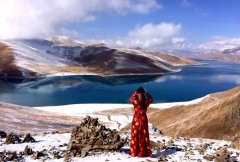
Xizang tried to grow coffee for the first time, a cup of "Tibetan brand" coffee.
After Yunnan, Fujian and other places, Xizang will start to try to grow coffee. It was tested for the first time at the end of April and so far it is said to be growing well because of its unique natural conditions. Will this attempt bring local coffee closer to the world? [1] Xizang tried to grow coffee for the first time and grew well. This trial began at the end of April and is located in Shama Village, Xiachayu Town, Chayu County.
2016-06-22 Xizang for the first time trial planting coffee one cup Tibetan name
Pu'er tea villagers: growing coffee is far more profitable than growing tea.
After the price of Pu'er tea is on a roller coaster, Pu'er tea village is transforming to a coffee producing area. Pu'er City, Yunnan Province, which gets its name from tea, has become the most widely planted and most productive coffee producing area in China in recent years.
2014-06-04 Coffee news growing coffee Pu'er coffee
What makes Jamaican Blue Mountain Coffee so special?
One might ask what makes Jamaican Blue Mountain Coffee so special? The answer is everything about it. The real Blue Mountain Coffee is one of the most advantageous coffee growing conditions in the world. The weather, geological structure and topography of Jamaica provide a unique ideal place. The designated Jamaican Blue Mountain Coffee can only. One might ask what makes Jamaican Blue Mountain Coffee so special?
2015-06-19 What the factor Jamaica Blue Mountain coffee so special
Introduction of Coffee Bean growing Environment in Ethiopia
Ethiopian coffee beans grow in close to the natural environment, after years of planting under the same growth conditions, Ethiopian coffee beans have gradually adapted to the environment here. More than 60% of coffee beans are grown in forests or semi-forests. Large-scale coffee-growing villages account for about 35% of the country's total coffee production. Many of these are used.
2016-07-05 Ethiopia coffee beans growth environment introduction coffee manor producing area